Psychology that goes beyond insight, and into action.
AHPRA PSY0002506656
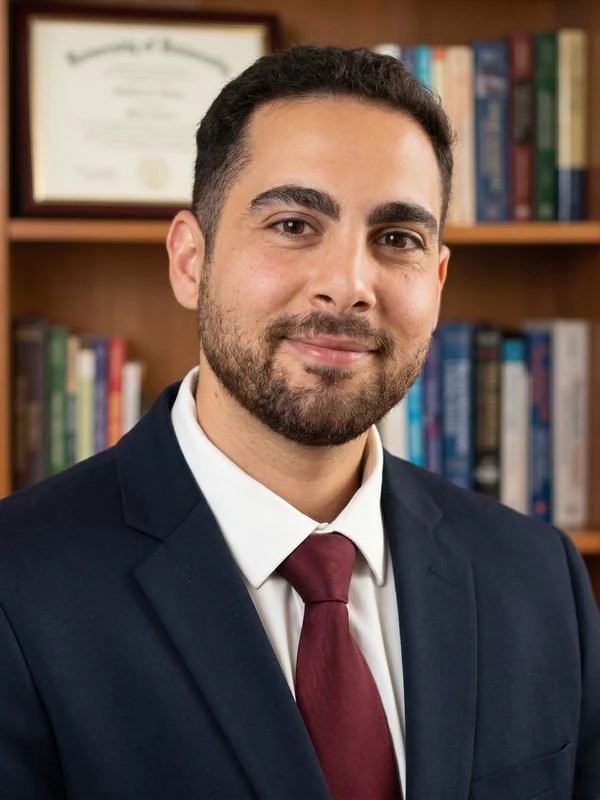
Andrew Bechara is the Founder and Principal Psychologist at Wiser Minds Psychology. He works with adults and adolescents aged 12+ across therapy and psychological assessment, including ADHD, autism and cognitive assessment.
For more than half a decade, a substantial part of his clinical work has been within the NDIS, supporting participants, families, Support Coordinators and other professionals.
In his own words
I became a psychologist because I saw a gap, not in people's ability to change, but in the support available to help them actually do it.
Psychology works best when it's practical. When sessions translate directly into shifts in how you're living.

I grew up in a family where resilience wasn't a concept, it was just what you did. You kept moving. That upbringing built real strength, but it also meant a lot of people I knew had no real framework for their inner world. They knew something wasn't working. They didn't have a clear path forward.
That experience, and what I saw throughout my training and clinical work, shaped how I practise. I want our work to be useful, and connected to your actual week.
You do not need to arrive with clear goals. From there, I'll listen carefully, I'll be honest with you when something isn't serving you, and I'll adapt the pace and the approach to fit you.
Working within the NDIS
NDIS work teaches you things no textbook covers. The clearest lesson: good therapy often stalls simply because it was never adapted to the person in front of it.
So I adapt it. Sessions might be shorter, more visual, more concrete, or paced differently. Strategies get practised, not just discussed, and where it helps, family members or support workers are brought into the loop so skills survive outside the room. The goals are functional ones: getting through a conflict without shutting down, building a routine that holds up on a bad week, speaking up at an appointment, catching the bus.